director's note
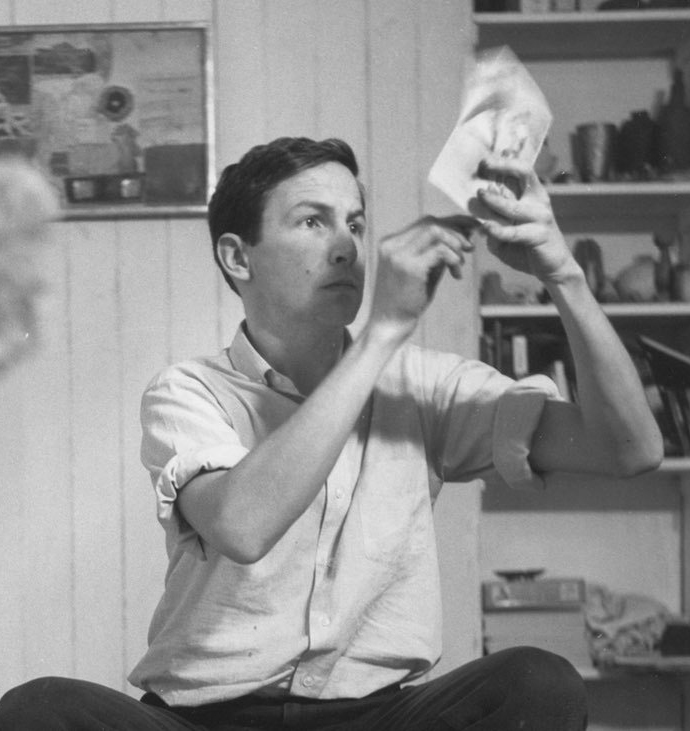
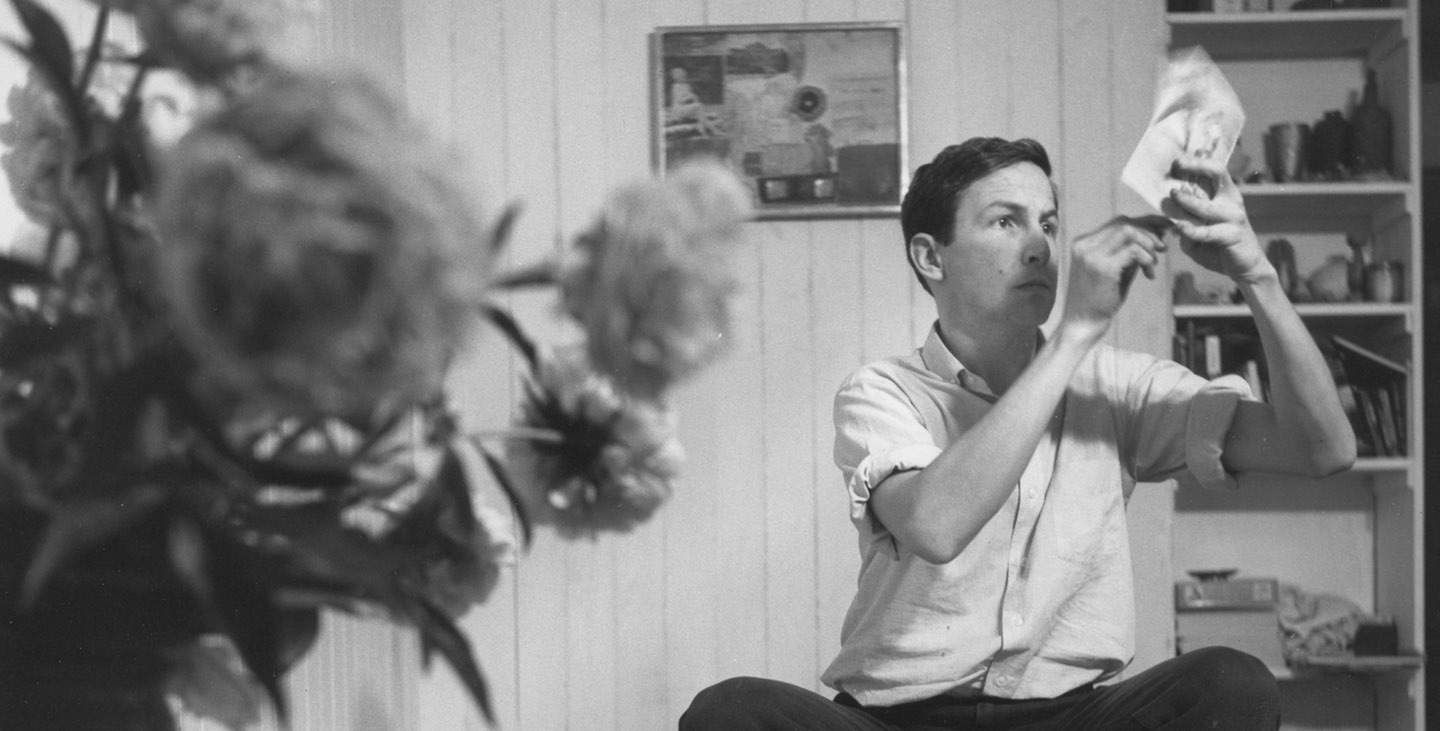
Robert Rauschenberg creating the Combine Gold Standard in Twenty Questions to
       Bob Rauschenberg, Sogetsu Art Center, Tokyo, November 28, 1964.

       Photograph by Masaaki Sekiya.
       ©2011 Masaaki Sekiya. All rights Reserved.

Director's Note

As we enter 2013, the Robert Rauschenberg Foundation (RRF) is thankful for many things. At the broadest level, we are happy that attention has turned to the environment and climate change, that the impact of this storm has fortified the positive spirit of the arts community, and that the foundation has partners with whom it can work to bring about change. After Hurricane Sandy, RRF established a partnership with the Warhol Foundation to direct funds to NYFA, which is providing direct assistance to artists impacted by the hurricane. This may only remedy a small part of a huge loss, but every action counts as people rebuild their lives. RRF and the Warhol Foundation will also assist arts organizations with rebuilding; groups may apply directly through the link on our Emergency grants page.

Here are some of the foundation's other major activities this past year.

Transitioning Assets into the Foundation

Four years after Rauschenberg's death, we have transitioned all of the assets from his estate and trust into the foundation. This makes the foundation fully vested in pursuing and upholding the vision and mission set by Rauschenberg and now upheld by the board of directors. This mission is twofold: focusing on scholarship about Rauschenberg's artistic career and those of his community of artists and collaborators; and pursuing our philanthropic mission as defined by the areas of interest he articulated, including art, international peacekeeping, the environment, education, and health and human services. One can see that this is a wide-ranging list, so we are focused on ways in which "art can change the world" (in Rauschenberg's words) by using the values that defined Rauschenberg so clearly as markers for our choices: creative problem-solving, generosity, risk-taking, collaboration, experimentation, and being open to pushing the boundaries of new ideas. We will work over the next decade to build our endowment in order to allow the foundation to make a difference in perpetuity and scale our efforts to these assets.

Starting the Rauschenberg Residency Pilot Program

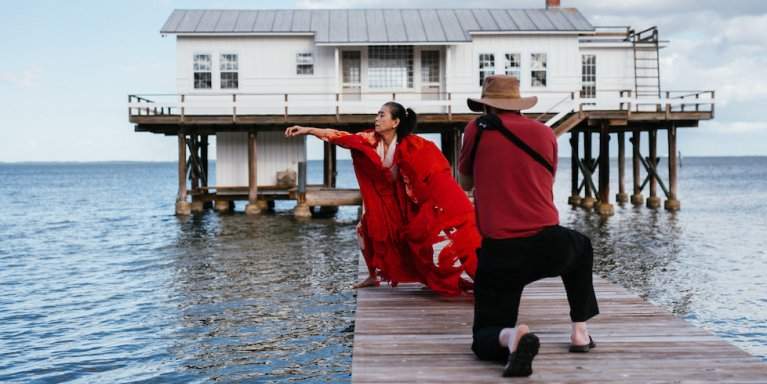
One of the cornerstones of our vision has been to convert Rauschenberg's Captiva home and studio into a residency. This twenty-acre preserve hosts twelve buildings and two working studios assembled over his life. This winter, we will begin inviting practicing artists and scholars to live on this compound—dancers, writers, fine artists, filmmakers, and others coming together to enjoy a four-week retreat for their own inspiration. The program is based on a time that was important to Rauschenberg's own development: his years at Black Mountain College. After a pilot year, this residency, will become formalized as a more-public application or invitation process, once we figure out how we might best serve artists and the creative process.

Building Our Philanthropic Program

In the past year we have launched several new philanthropic efforts and refined our existing programs. We are transitioning toward supporting organizations by providing operating funds, traditionally the hardest money to raise. We launched a SEED grants fund to invest in small arts organizations in cities across the United States. We used our responsive funds to "listen" to the market and hear the great ideas you had, rather than telling you what we wanted. In 2012 RRF also selected Shirin Neshat as the recipient of our Artist as Activist Award. For detailed descriptions of our programs, please visit the Philanthropy section of the website.

Testing the 19th Street Project Space

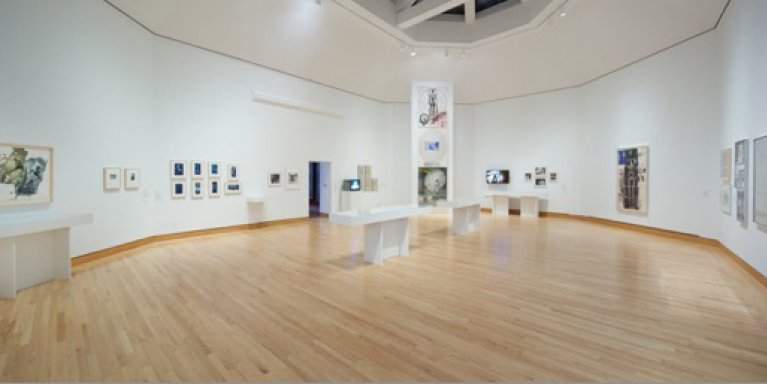
With so many expectations of what a foundation is supposed to do, we thought it would be very Bob-like to experiment with our 19th Street space by converting it from a storage garage into a project space. We launched with a group exhibition titled We the People, which looked at the American population as a broader spectrum than one might expect, testing whether many artists' voices could engender the type of dialogue for which Rauschenberg was known. We will be expanding this experiment by allowing our grantees to use the space for the next year: Trisha Brown Dance Company for the performance Set and Reset this winter at BAM; the North Dakota Museum of Art in the spring; and Machine Project next fall. Finally, we will offer the space as a New York City connection for our artists in residence in Captiva, Florida.

Rauschenberg Exhibitions

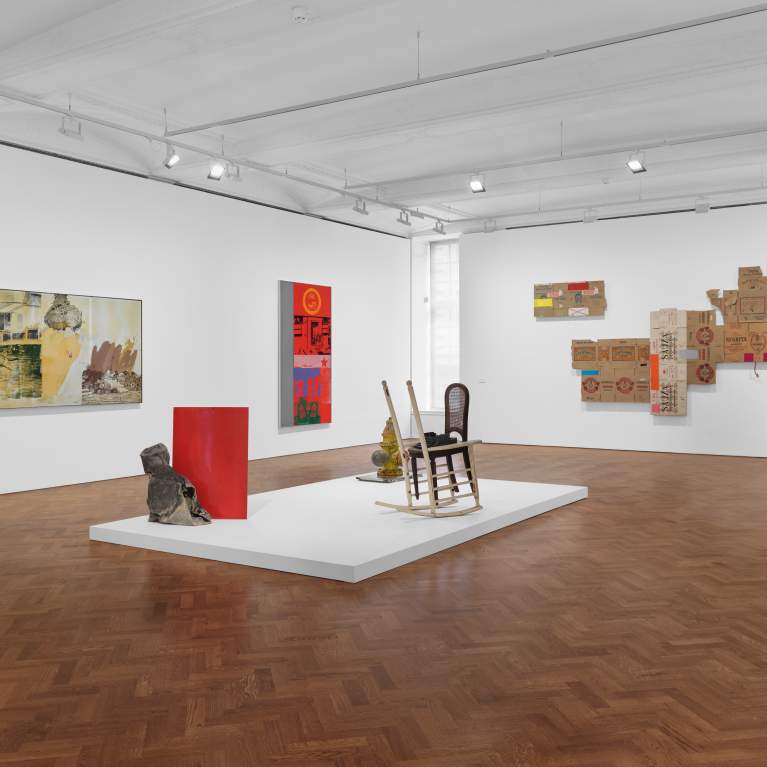
We are, of course, so proud of the many shows in this past and coming years that include Rauschenberg's work alongside that of his collaborators, among them The Next Stage: Merce Cunningham and Robert Rauschenberg at the Walker Art Center and Dancing around the Bride at the Philadelphia Museum of Art. In February 2013 there will be an exhibition of Rauschenberg's Jammers at Gagosian Gallery in London, and plans are in the works for a Robert Rauschenberg retrospective.

Please sign up for updates so that we can include you in our community. There's a lot happening, and we are proud to be contributing to the broader dialogue of how art can make a difference.


Christy MacLear
Executive Director
Robert Rauschenberg Foundation